Is the Magic Font the Right Choice for Your Creative Projects?
In the world of digital design, typography plays a pivotal role in conveying tone, personality, and emotion. Among the vast array of available typefaces, the Magic font has carved out a distinct niche. It is a cute and casual handwritten font designed to offer an incredibly friendly feel. For designers, social media managers, and DIY enthusiasts, understanding the specific characteristics and applications of Magic is essential for determining if it aligns with a project's aesthetic goals. This article provides an objective evaluation of the Magic font, exploring its strengths, limitations, and best-use scenarios to help you make an informed decision.
Understanding the Aesthetic of Magic
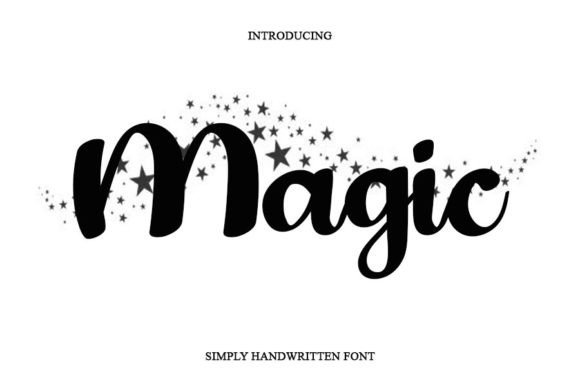
Magic is categorized as a script or calligraphy-style font, but it leans heavily towards a playful, casual aesthetic rather than formal elegance. The letterforms are designed to mimic natural handwriting, featuring varying stroke widths and a relaxed baseline. This design choice creates an approachable and personal tone, making it feel as though a friendly note was written by hand. Unlike rigid serif or sans-serif fonts, Magic introduces organic imperfections that add warmth to digital text.
The font is versatile enough to be used in various contexts, from Instagram captions to DIY project labels. However, its primary value lies in its ability to soften the hard edges often associated with digital layouts. When evaluating Magic, it is helpful to view it not just as a set of characters, but as a tool for adding a human touch to graphic design. It is particularly effective for audiences that value authenticity and approachability over corporate polish.
Evaluating the Benefits of a Handwritten Style
When considering Magic for your projects, it is important to weigh the specific benefits it offers against your design objectives.
- Visual Friendliness: The primary strength of Magic is its ability to make content feel welcoming. For blogs, newsletters, or social media posts aiming to build community, this font can reduce the psychological distance between the creator and the audience.
- DIY and Craft Compatibility: For physical projects like scrapbooking, greeting cards, or vinyl decals, Magic provides a handcrafted look without requiring advanced calligraphy skills. It mimics the imperfections of hand-lettering, which is often desirable in craft aesthetics.
- Trend Alignment: Current design trends often favor authenticity and personalization. Magic fits well within this movement, offering a style that feels current and relatable for lifestyle brands and influencers.
However, the benefits must be weighed against practical considerations. While Magic enhances the "vibe" of a project, it is not a universal solution for all typography needs. Its effectiveness is context-dependent, and using it in the wrong setting can detract from readability and professionalism.
Tradeoffs and Practical Considerations
While the aesthetic appeal of Magic is clear, objective evaluation requires an honest look at its limitations. The most significant tradeoff involves readability. Highly stylized handwritten fonts can be difficult to read at small sizes or in long-form text blocks. If your project involves dense paragraphs or requires quick scanning of information, Magic may not be the ideal choice for body copy.
Another consideration is the "casual" nature of the font. In professional settings—such as corporate presentations, legal documents, or formal academic papers—Magic would likely appear out of place. It conveys a specific tone that does not align with seriousness or authority. Furthermore, overuse of playful fonts can sometimes make a design look cluttered or juvenile if not balanced with cleaner typefaces.
When deciding to use Magic, consider the medium. On high-resolution screens, the details of the font are crisp. On smaller mobile devices, however, the loops and swashes of the script might become muddled. It is always recommended to test the font in the specific environment where it will be viewed to ensure it maintains its intended charm without sacrificing clarity.
Situations Where Magic is a Strong Fit
There are specific scenarios where the Magic font excels and can significantly enhance the visual impact of a project.
- Social Media Graphics: Platforms like Instagram and Pinterest are highly visual. Magic works exceptionally well for overlaying text on images, creating story highlights, or designing quote graphics. Its friendly nature encourages engagement and fits the casual browsing behavior of users.
- Event Invitations: For informal events such as baby showers, birthday parties, or casual get-togethers, Magic offers the perfect typographic tone. It sets a relaxed mood right from the start.
- Branding for Niche Markets: Small businesses targeting a young, female, or creative demographic often benefit from using Magic in their logos or packaging. It suggests a product or service that is handmade, personalized, or curated with care.
In these contexts, the font serves as a functional element of design that communicates brand values without the need for lengthy explanations. It acts as a visual shorthand for "fun" and "approachable."
Situations Where Alternatives May Be Worth Considering
Despite its appeal, there are clear instances where you should look for alternatives to Magic. If your primary goal is to convey luxury, tradition, or high-tech innovation, a handwritten script may undermine your message. In such cases, a classic serif font or a sleek geometric sans-serif would be more appropriate.
Additionally, for projects that require high accessibility standards, Magic might pose challenges. Users with visual impairments or reading difficulties like dyslexia often struggle with irregular letter shapes and connected scripts. If your audience includes a broad demographic or if accessibility is a priority, opting for a standard, legible font is a more responsible choice.
Finally, if you are creating a design that needs to feel timeless rather than trendy, be cautious with fonts that are strongly associated with specific design eras. While Magic is currently popular, design trends shift rapidly. For long-term branding assets, a more neutral typeface might offer better longevity.
Decision-Making Insights for Designers
To determine if Magic aligns with your goals, conduct a simple test. Place the font in your mockup alongside your other design elements. Ask yourself the following questions:
- Does it compete with or complement the imagery? Magic should enhance your visuals, not fight for attention.
- Is the text legible at the intended viewing distance? If you have to squint, it is not the right font for that specific application.
- Does the tone match the content? Ensure the "cute and casual" vibe is appropriate for the subject matter.
Ultimately, the Magic font is a specialized tool. It is not designed to replace standard workhorse fonts but to serve as an accent. By using it strategically for headlines, logos, or short phrases, you can leverage its friendly personality without compromising the functionality of your design.
Conclusion
The Magic font offers a distinct blend of playfulness and approachability that can elevate creative projects. Its strength lies in its ability to mimic natural handwriting, making it ideal for social media, crafts, and casual branding. However, like any design asset, it requires careful consideration. By evaluating the tradeoffs between aesthetic appeal and readability, and by matching the font to the appropriate context, you can ensure that Magic serves as a valuable addition to your typographic toolkit rather than a distraction. Whether you are designing for Instagram or creating DIY labels, understanding these nuances will help you make the most effective choice for your audience.