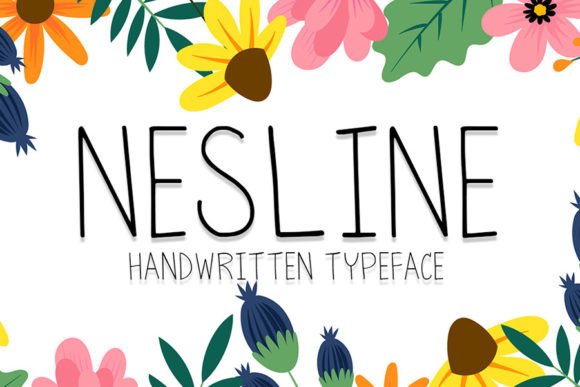
Nesline: Integrating Authentic Handwriting into Professional Design Strategy
In the current digital landscape, the saturation of sleek, geometric sans-serif fonts has created a distinct market opportunity for typography that conveys warmth and authenticity. Nesline, a handwritten font characterized by its natural flow and irregular strokes, offers more than just aesthetic variation; it provides a strategic tool for professionals aiming to bridge the gap between digital precision and human connection. For entrepreneurs, marketers, and educators, the decision to utilize a typeface like Nesline should not be arbitrary. It requires a deliberate assessment of how visual communication influences perception, trust, and long-term brand equity. By understanding the psychological and operational implications of this font, decision-makers can leverage its unique characteristics to enhance their creative output and achieve specific business outcomes.
Strategic Positioning and Brand Personality
Typography is a silent ambassador for your brand. When you select Nesline, you are making a strategic decision to position your brand as approachable, personal, and detail-oriented. This is particularly relevant for small business owners and freelancers who often rely on personal relationships to drive sales. The irregularity of Nesline’s strokes mimics the imperfections of human handwriting, which subconsciously signals to the viewer that a real person is behind the message. This can be a powerful differentiator in industries dominated by corporate, sterile aesthetics.
Consider the goal of building customer trust. A highly polished, rigid typeface can sometimes feel cold or unapproachable. In contrast, Nesline can soften a message, making it feel like a personal note rather than a mass-produced advertisement. For educators and coaches, this font supports a positioning strategy centered on mentorship and guidance. It suggests that the content is crafted with care, potentially increasing the perceived value of the information presented. However, this positioning must align with your broader brand voice; using Nesline for a brand that relies on high-tech precision or strict corporate authority may result in a disjointed customer experience.
Application in High-Stakes Communication
The utility of Nesline extends across various touchpoints in the customer journey, particularly where emotional connection is paramount. The most immediate use cases include invitations, greeting cards, and scrapbooking. However, for the strategic marketer, these applications represent a broader principle: the importance of the "personal touch" in conversion optimization.
Enhancing Event Marketing and Invitations
For event planners and marketers, the invitation is the first point of contact. Using Nesline for headlines or key details in digital or physical invitations can set a tone of exclusivity and intimacy. It suggests that the recipient is being personally invited rather than pulled from a database. This psychological nudge can improve open rates for email invitations and response rates for physical mailers. The dynamic look of the font captures attention in a crowded inbox, provided it is used with sufficient contrast and spacing to remain legible.
Visual Hierarchy and Content Strategy
Content creators and bloggers must approach Nesline with a focus on visual hierarchy. Because handwritten fonts are distinct, they are best used for pull quotes, sub-headers, or call-to-action phrases rather than body text. Long-form reading requires high legibility, which standard print or sans-serif fonts provide. Nesline is strategic for breaking up dense blocks of text and guiding the reader’s eye to critical takeaways. By using this font to highlight key insights, you improve the scannability of your content, which directly supports user retention metrics and time-on-page goals.
Operational Considerations and Risk Management
While the aesthetic appeal of Nesline is evident, operational discipline is required to use it effectively. One of the primary risks of adopting a distinct handwritten font is overuse, which can lead to visual fatigue or a lack of seriousness. If a professional relies too heavily on Nesline for all communications, the "special" quality of the font diminishes, and the brand may appear amateurish.
Legibility and Accessibility
A critical factor in decision-making is accessibility. Handwritten fonts, including Nesline, can sometimes pose challenges for readers with visual impairments or dyslexia due to their irregular baselines and stroke weights. A thoughtful strategy involves testing Nesline across different devices and screen sizes to ensure it remains readable. Furthermore, ensuring high color contrast between the text and the background is non-negotiable. If the font compromises the clarity of your message, it fails its primary communication objective, regardless of its charm.
Pairing and Contextual Harmony
Effective typography is rarely about a single font; it is about the relationship between typefaces. Nesline performs best when paired with a clean, neutral typeface for body text. This contrast creates a rhythm that is pleasing to the eye and reinforces the hierarchy of information. For example, a professional report might use a standard serif for the body to convey authority, while using Nesline for section headers to add a touch of creative flair. This approach allows you to maintain professional standards while injecting personality where it is most impactful.
Long-Term Value and Creative Consistency
Building a recognizable brand requires consistency. Once you decide to integrate Nesline into your toolkit, it should be applied systematically across specific asset categories. For scrapbookers and hobbyists, this creates a cohesive album aesthetic. For businesses, it means using Nesline consistently on specific types of content, such as social media quotes, newsletter sign-offs, or product packaging accents. This consistency helps train your audience to associate that specific visual style with your brand, reinforcing brand recall over time.
Ultimately, Nesline is a tool for humanizing your digital footprint. It is not a universal solution, but a targeted asset for those seeking to evoke emotion and authenticity. By aligning its use with specific communication goals—whether that is driving event attendance, highlighting key content, or establishing a friendly brand voice—you can transform a simple font choice into a calculated component of your professional strategy. When used with intention and restraint, Nesline offers a timeless way to ensure your designs resonate on a personal level.