Charlee: How a Handwritten Font Captures the Modern Shift Toward Authentic Branding
In an era dominated by digital precision, there's a growing appreciation for the beautifully imperfect. We see it in the resurgence of vinyl records, the popularity of artisanal crafts, and the desire for experiences that feel genuine and human. This cultural shift has profoundly impacted design and communication. The sterile, uniform digital text that once defined the online world is now being softened, challenged, and complemented by typefaces that carry personality. Among these, the Charlee font stands out as a perfect example of how a single design choice can tap into a much larger conversation about authenticity and connection.
The Enduring Appeal of the Handwritten Aesthetic
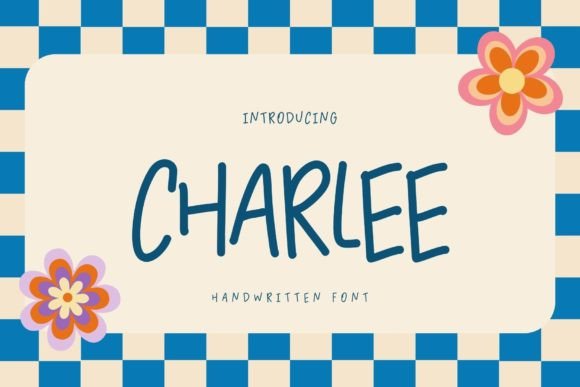
The charm of handwritten text is timeless. Long before printing presses, every letter was a unique imprint of its creator's hand. While technology moved us toward uniformity for the sake of speed and clarity, it also stripped away a layer of personal touch. Today, we are witnessing a deliberate return to that touch. The appeal isn't just nostalgic; it's psychological. A handwritten style, like that embodied by the Charlee font, signals effort, care, and a human presence behind the message. It feels less like a broadcast and more like a conversation. This is why a font described as "cute" and "playful" carries such weight—it’s not merely decorative, but communicative. It tells the viewer that the creator values warmth and approachability over rigid formality.
From Digital Precision to Human Connection: A Design Evolution
The evolution of typography in digital spaces tells a fascinating story. The early web was limited to a handful of "web-safe" fonts—choices like Arial, Times New Roman, and Verdana that were guaranteed to render consistently across all computers. The priority was function over form. As technology advanced and web font services proliferated, designers gained a vast palette. This newfound freedom led to an initial period of experimentation, often with mixed results. Today, the landscape has matured. The most effective designers don't just choose fonts; they curate them to build a specific emotional landscape for their audience. The choice of a font like Charlee is a strategic one. It’s selected not for its technical novelty, but for its ability to bridge the digital gap and create an immediate, intuitive feeling of friendliness and trust. This evolution from technical constraint to emotional expression is central to modern design thinking.
Why "Cute" and "Playful" Are Serious Business
Terms like "cute" or "playful" might initially sound trivial in a professional context, but they describe specific and powerful emotional triggers. In marketing and branding, these qualities are directly linked to relatability and memorability. A playful aesthetic lowers barriers, making a brand or message feel less intimidating and more accessible. For a small business owner, using a font like Charlee on a social media ad or a product tag can instantly differentiate them from large, impersonal corporations. It communicates that there’s a real person behind the business who values creativity and a personal touch. This isn't about being childish; it's about being human. The authenticity that Charlee provides is a currency in today's marketplace, where consumers are increasingly adept at sensing—and avoiding—inauthenticity.
Practical Applications: Where Charlee Shines
The true test of any typeface is its versatility and appropriateness in real-world projects. A font like Charlee, with its handwritten character, isn't a one-size-fits-all solution, but it is an exceptionally powerful tool for specific, high-impact applications. Understanding where to use it is key to leveraging its strengths effectively.
- Branding & Logos: For brands in the lifestyle, wellness, food, or creative services sectors, a logo set in Charlee can be transformative. It builds an immediate personality—approachable, artisanal, and trustworthy. Think of a local bakery's logo, a freelance photographer's watermark, or a boutique consultancy's brand mark. The font does much of the heavy lifting in establishing the brand's voice.
- Content & Marketing: Blog headers, social media graphics, and email newsletter titles crafted with Charlee break the monotony of standard digital text. They draw the eye and create a cohesive, welcoming aesthetic that encourages engagement. It turns a simple announcement into a friendly note.
- Personal & Event Projects: This is where the font's charm truly excels. For invitations to a baby shower, a wedding, or a milestone birthday, Charlee sets a joyful and intimate tone. Similarly, in personal planners, photo albums, or DIY decorations, it adds a layer of handmade sentimentality that pre-printed items cannot match.
Integrating Charlee into Modern Workflows
For creators and professionals, adopting a new asset like a font isn't just about aesthetic preference; it's about workflow integration. The beauty of a well-crafted font such as Charlee lies in its ease of use. It typically comes with a full set of characters, numbers, and punctuation, ensuring it can be used seamlessly across different software—from Adobe Creative Suite to Canva to simple word processors for mockups. The key is to use it with intention. Pair it with clean, simple sans-serif fonts for body text to ensure readability. Use it for headlines, pull quotes, or specific call-to-action phrases where its personality can shine without overwhelming the overall design. This balanced approach respects both the font's character and the user's need for clear communication.
The Future of Authentic Design
Looking ahead, the demand for authenticity in design is not a fleeting trend but a fundamental shift in user expectation. As our lives become more digital, the yearning for human connection will only grow. Tools and assets that help creators inject that humanity into their work will remain valuable. The Charlee font is more than just a set of glyphs; it's a response to this shift. It represents a practical, accessible way for anyone—from a blogger to a business owner to a hobbyist—to make their communications feel more personal, more thoughtful, and ultimately, more effective. In a crowded digital space, that touch of genuine, playful authenticity is what helps a message not just be seen, but be felt. Adding it to your design toolkit is an invitation to enjoy the results of a more connected and human approach to creation.