Evaluating the Mamilytoo Script Font for Modern Design Projects
In the vast landscape of digital typography, selecting the right typeface is a critical decision that influences the tone, readability, and overall success of a design project. Among the myriad options available, Mamilytoo presents itself as a modern script font designed to infuse a sense of elegance and personality into various creative endeavors. This article provides a balanced evaluation of the Mamilytoo font, exploring its characteristics, ideal applications, and the practical considerations designers should weigh before integrating it into their work.
Understanding the Mamilytoo Typeface
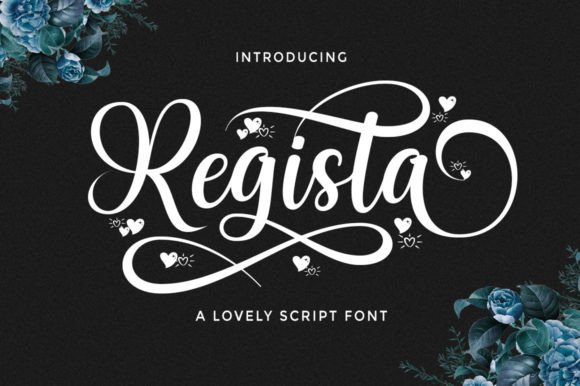
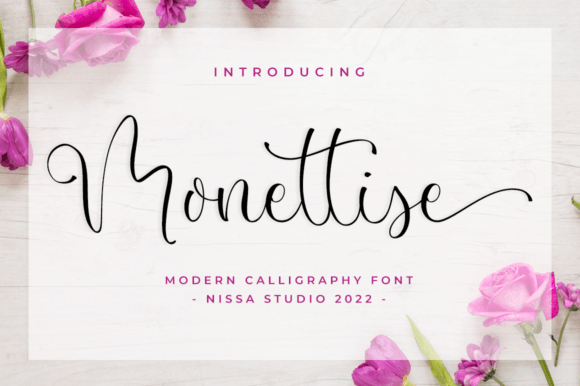
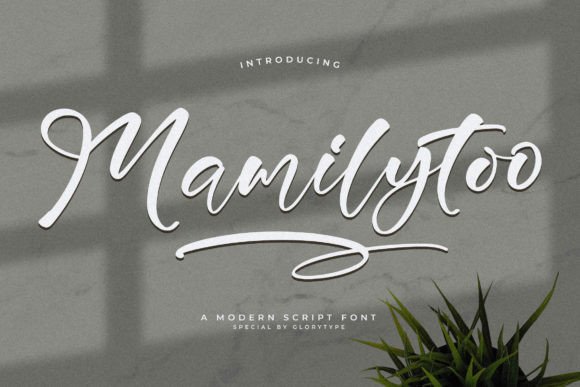
At its core, Mamilytoo is categorized as a contemporary script font. This classification implies a design that mimics cursive handwriting but with the precision and consistency required for professional use. Unlike formal calligraphic scripts that can feel archaic, or casual handwritten fonts that may lack structure, Mamilytoo aims for a middle ground. Its design typically features flowing connections between letters, a moderate slant, and varying stroke widths that suggest the movement of a pen or brush. The goal of a font like Mamilytoo is to create a personal, artisanal feel without sacrificing legibility, especially in shorter text applications.
The aesthetic of Mamilytoo is often described as "lovely" and suitable for adding a "beautiful script taste." This suggests its letterforms are designed with graceful curves and an approachable, friendly character. It is not a font intended for dense body text; rather, it is a display typeface crafted to draw attention and convey a specific mood—be it romantic, whimsical, or sophisticated—in headlines, logos, and decorative elements.
Primary Applications and Project Suitability
The value of any font is realized in its application. Mamilytoo is positioned as a versatile tool for a range of design contexts where a personal, handcrafted touch is desired. Evaluating its fit requires matching its stylistic strengths to the project's goals.
Branding and Identity Design
For logos and branding projects, a script font like Mamilytoo can be highly effective for businesses that want to project an image of authenticity, creativity, or boutique luxury. Think of artisan bakeries, wedding planners, boutique clothing brands, or cosmetics companies. The font can help establish a brand personality that feels warm and human. However, a critical consideration is scalability and clarity. A highly intricate script might lose detail when scaled down for a business card or favicon. Testing Mamilytoo at various sizes is essential to ensure the logo remains recognizable and clear.
Packaging and Product Design
On product packaging, mugs, shopping bags, and labels, Mamilytoo can elevate a design from generic to premium. Its script style can suggest craftsmanship and care, making a product feel more special. For example, it could be used for the brand name on a coffee bag or the flavor label on a candle. The key here is contrast. Pairing Mamilytoo with a clean, simple sans-serif font for descriptive text ensures readability while letting the script element shine as a decorative focal point.
Editorial and Print Media
In the realm of book covers, posters, and quotes, Mamilytoo excels at setting a thematic tone. A book cover for a romance novel or a collection of poetry could use the font to instantly signal its genre. For posters advertising a gala, a boutique sale, or a community event, it adds a layer of elegance. When used for pull quotes or chapter headings, it provides a visual break from standard body text and draws the reader's eye. The tradeoff, as always with script fonts, is that extended use for long sentences can become tedious to read.
Stationery and Personal Projects
Perhaps the most intuitive applications are for invitation cards, greeting cards, name cards, and special event materials. For a wedding invitation, Mamilytoo could render the couple's names beautifully, creating a keepsake-quality feel. Similarly, for a birthday card or a thank-you note, it imparts a personal, handwritten sentiment that standard fonts cannot replicate. Its use in photography watermarks is also common, as a script signature can be less intrusive than a bold, blocky text while still crediting the artist.
Benefits and Potential Tradeoffs
Making an informed decision involves weighing the advantages of Mamilytoo against potential limitations.
Key Benefits
- Aesthetic Appeal: Its primary strength is its ability to add immediate visual interest, elegance, and a human touch to designs.
- Emotional Connection: Script fonts like Mamilytoo can evoke specific emotions—romance, creativity, nostalgia, or luxury—more effectively than many geometric sans-serifs.
- Versatility in Niche: Within the category of personal, artisanal, and event-based design, it is highly versatile across numerous mediums, from print to digital.
Important Considerations and Tradeoffs
- Readability Limits: The most significant tradeoff is reduced legibility at small sizes and in long blocks of text. It is unsuitable for body copy, instructions, or any context where quick, effortless reading is paramount.
- Overuse and Trend Dependency: Script fonts are prominent in current design trends. There is a risk that overuse can make a design feel dated or cliché if the trend shifts. Timeless application requires careful pairing and restraint.
- Technical Considerations: Depending on the specific font file, issues like letter spacing (kerning) between certain character pairs may require manual adjustment in professional design software to look perfect.
Making the Decision: Is Mamilytoo the Right Choice?
Determining whether Mamilytoo aligns with your project involves a practical assessment of your needs. Ask yourself the following questions:
- What is the primary message? If your goal is to communicate warmth, personality, elegance, or craftsmanship, Mamilytoo is a strong candidate. If the goal is clarity, authority, or modern minimalism, a sans-serif or serif font would be more appropriate.
- What is the medium and context? Will the text be read quickly (e.g., a road sign) or savored (e.g., a wedding invitation)? Mamilytoo is suited for the latter. Consider the viewing size—will it be large on a poster or small on a label?
- How will it be paired? Rarely should a script font stand alone for all text. The most successful designs pair Mamilytoo with a complementary, highly legible font for supporting information. The contrast enhances both fonts.
- Have I tested it? Before committing, mock up the font in your specific design. Check how it looks at the intended scale, in both color and black-and-white, and ensure the character set includes all the letters and symbols you need (e.g., for multilingual support).
Exploring Alternatives
If, after evaluation, Mamilytoo doesn't seem like a perfect fit, consider the broader typographic landscape. If you need a script with more dramatic flair, a formal or calligraphic script might be explored. For a more casual, loose handwritten look, a casual or brush script font could be better. If legibility at small sizes is a non-negotiable requirement, a semi-script or a serif font with elegant details may offer a better compromise between style and function.
Ultimately, Mamilytoo is a specialized tool. Its strength lies in its ability to inject personality and a beautiful script aesthetic into designs where emotional resonance and visual appeal are prioritized over pure utilitarian text. By carefully considering its applications, benefits, and inherent limitations, designers can make a strategic choice that enhances their project's visual narrative without compromising on essential clarity. The decision rests on aligning the font's inherent character with the specific goals and context of your creative work.