Monettise: Understanding the Delicate Script Font and Its Place in Modern Design
In the vast landscape of typography, selecting the right font often involves balancing aesthetic appeal with functional utility. Monettise presents itself as a specific solution within the decorative and script font categories, aiming to deliver a particular blend of elegance and usability. This article explores the characteristics of Monettise, examines where it fits among similar typographic options, and considers the practical factors designers should weigh when evaluating it for their projects.
Defining the Monettise Aesthetic
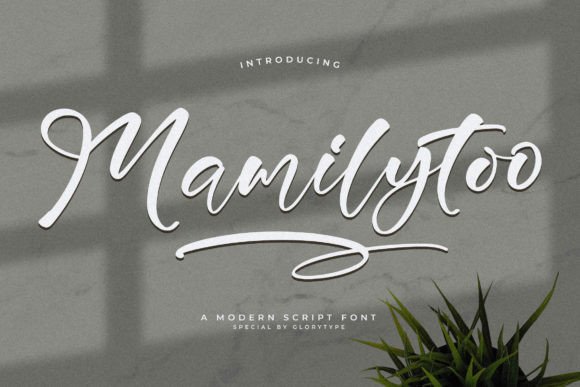
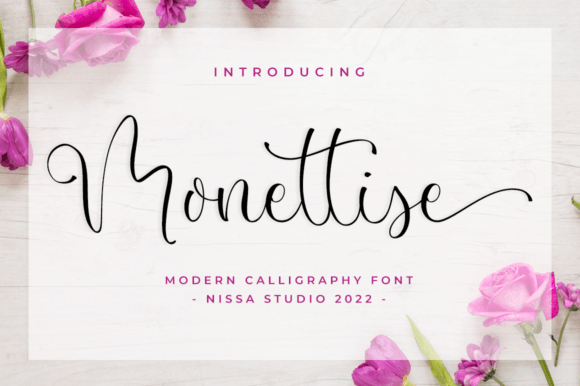
At its core, Monettise is a script font characterized by its delicate, flowing letterforms. It draws inspiration from traditional calligraphic styles but is rendered with a refined, often slightly condensed structure. The font’s design typically features smooth connections between letters, subtle variations in stroke weight, and an overall sense of fluid grace. This positions Monettise not as a utilitarian text face but as a display or headline typeface intended to impart a specific mood: one of elegance, femininity, sophistication, or gentle luxury.
What makes Monettise distinct in its category is this balance between ornamentation and readability. While many script fonts can become overly ornate or difficult to decipher, especially at smaller sizes, Monettise generally maintains a clear letter structure. The swashes and alternate glyphs, accessible due to its PUA encoding, allow for customization without compromising the fundamental character recognition. This encoding is a practical feature, ensuring that the full range of stylistic options is available across various software platforms without requiring advanced OpenType support.
Comparing Monettise to Other Script Font Categories
When evaluating Monettise, it’s helpful to understand how it compares to broader categories of script fonts. Each category serves different purposes and carries its own set of tradeoffs.
Formal Scripts: These fonts, like Snell Roundhand or Shelley Allegro, emulate the work of master penmen. They are highly elegant but can feel overly traditional or stiff for contemporary designs. Monettise often feels more modern and accessible than these classical forms, while still retaining a formal touch.
Casual Scripts: Fonts such as Mistral or Park Avenue mimic relaxed, handwritten styles. They are friendly and approachable but may lack the refinement needed for luxury branding or high-end invitations. Monettise sits closer to the formal end but with a softer, more approachable feel than the most austere classical scripts.
Brush Scripts: This category, including fonts like Brush Script, simulates the look of text created with a paintbrush. They are dynamic and expressive but can be challenging to read and may appear dated in certain contexts. Monettise offers a more consistent and controlled stroke, which can be advantageous for designs requiring a polished look.
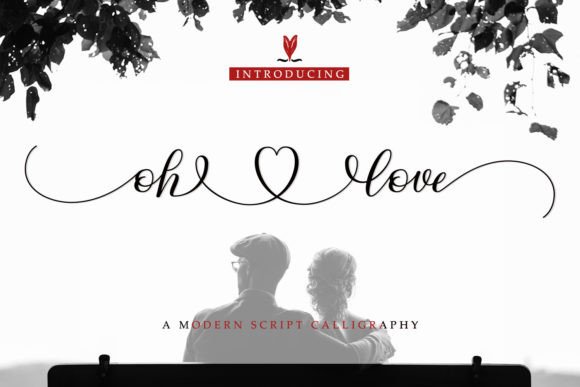
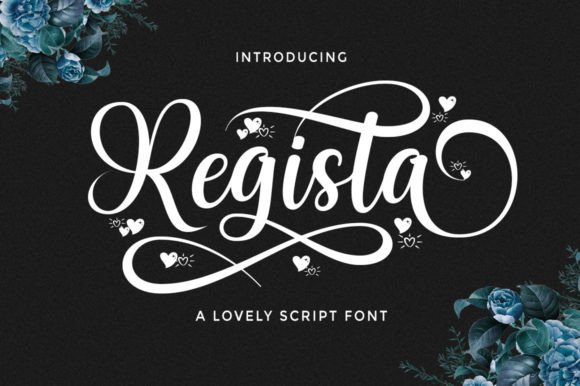
Modern Calligraphy Fonts: This is perhaps Monettise’s closest relative category. Fonts in this group, such as Great Vibes or Alex Brush, are designed to mimic contemporary hand-lettering trends. They are popular for wedding stationery, logos, and social media graphics. Monettise competes directly here, and its value is often found in its specific combination of swash options, weight, and the clarity of its letterforms.
Evaluating Strengths and Practical Applications
The strengths of Monettise become apparent in specific use cases where its aesthetic aligns with project goals.
- Wedding and Event Stationery: The font’s elegance makes it a natural fit for save-the-dates, invitations, and place cards. Its legibility at medium sizes ensures important information like names and dates remains clear.
- Logo and Brand Identity: For brands targeting a feminine, luxurious, or boutique market—such as salons, spas, jewelry designers, or high-end bakeries—Monettise can provide a distinctive typographic voice. The swashes allow for unique logo customization.
- Social Media Graphics and Titles: In digital spaces where attention is fleeting, Monettise can create eye-catching headlines for quotes, announcements, or promotional posts. Its PUA encoding simplifies the process of adding decorative flourishes in design software.
- Editorial and Packaging Design: Used sparingly for pull quotes, chapter titles, or product labels, Monettise can add a touch of sophistication without overwhelming the layout.
A key practical consideration is context. Monettise performs best when used as a display or accent font. Setting a full paragraph or long block of text in Monettise would almost certainly reduce readability. Its role is to complement a clean, simple sans-serif or serif font that handles the bulk of the text, creating a harmonious hierarchy.
Understanding Limitations and Decision Factors
No font is universally perfect, and understanding Monettise’s limitations is as important as appreciating its strengths.
Readability at Small Sizes: Like many script fonts, Monettise’s delicate details can become lost or merge when scaled down significantly, particularly in print. For applications requiring very small text (e.g., footnotes, lengthy disclaimers, or technical manuals), a different typeface category is essential.
Overuse and Thematic Mismatch: Using Monettise for a technology brand, a children’s toy company, or a rugged outdoor equipment store would likely create a dissonant aesthetic. Its elegance can feel out of place in contexts demanding boldness, playfulness, or ruggedness.
Digital Rendering: On low-resolution screens or in very small web font sizes, the fine strokes of Monettise might not render crisply. Testing across devices is crucial for digital projects.
When deciding if Monettise is the right choice, consider these questions:
- What is the core message or emotion of my project? If the answer involves elegance, romance, luxury, or delicate beauty, Monettise is a strong candidate.
- How will the font be used? If it’s for headlines, logos, or short decorative text, it’s well-suited. For body copy, it is not.
- Who is the audience? Will the target demographic respond positively to a script font’s aesthetic? Consider cultural and contextual perceptions.
- What are the technical requirements? Ensure the font’s PUA encoding works with your intended software and that its rendering is acceptable for your medium (print vs. web).
Practical Comparisons and Making an Informed Choice
When exploring alternatives, you might look at other modern calligraphy fonts. The differences often lie in subtle details: the angle of the script, the size of the loops, the weight of the strokes, and the variety of alternate characters. Some scripts are more upright, others more slanted. Some have a wider set of characters, others are more condensed.
The best way to evaluate is to test the font in context. Download a trial version if available, or use a font preview tool to see how Monettise renders your specific project’s key words and phrases. Compare it side-by-side with one or two other similar scripts. Pay attention to:
- Letter Connections: How naturally do the letters flow together? Are the connections smooth or abrupt?
- Legibility of Key Characters: Can you easily distinguish between an ‘a’ and an ‘o’, or a ‘c’ and an ‘e’?
- Overall Feel: Does the font evoke the precise emotion you need?
Monettise offers a particular blend of delicacy and accessibility within the script font family. Its PUA encoding is a practical benefit for designers who want extensive stylistic control without technical hurdles. However, its suitability is entirely dependent on the project’s aesthetic and functional requirements.
Ultimately, choosing Monettise—or any font—is a decision best made through informed comparison and contextual testing. By understanding its inherent qualities, its ideal applications, and its boundaries, designers can determine whether its elegant script is the right voice for their visual message, ensuring the typography enhances rather than hinders the overall design intent.