Funny Font: A Practical Guide to Its Sweet, Handwritten Style for Your Designs
In the vast world of typography, selecting a font that conveys a specific mood is a critical design decision. The Funny font is a distinct option that belongs squarely in the category of sweet, friendly handwritten display typefaces. Its core appeal lies in its ability to inject a sense of playfulness and approachability into a project without venturing into overly juvenile or chaotic territory. This article provides a balanced examination of the Funny font, exploring its characteristics, ideal applications, and the important considerations to weigh before incorporating it into your work.
Understanding the Character of Funny
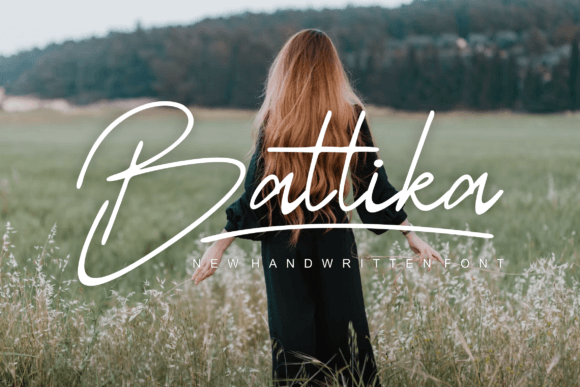
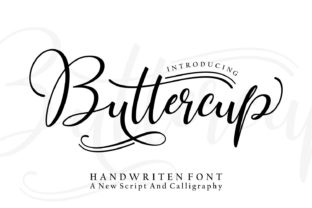
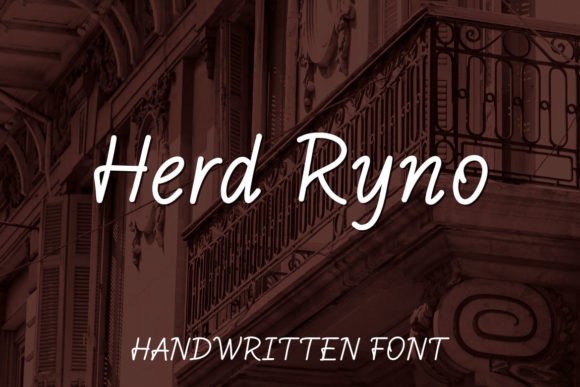
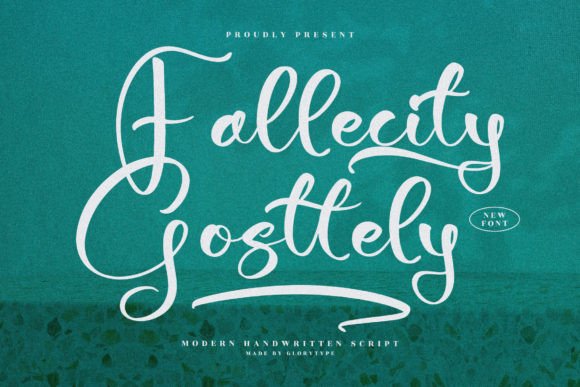
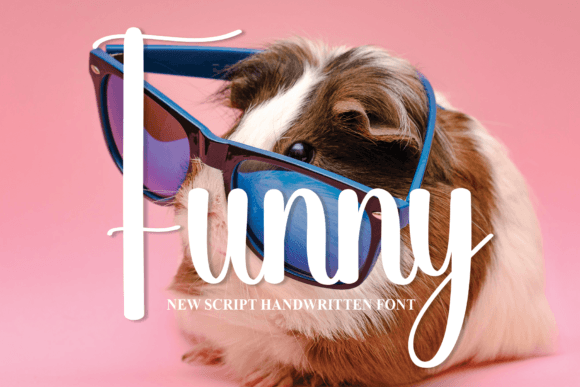
Funny is not a text font designed for long-form reading. It is a display font, meaning its primary purpose is to capture attention in headlines, logos, and short bursts of text. Its handwritten quality is characterized by smooth, slightly uneven strokes that mimic the natural flow of a pen. This gives it a personal, crafted feel that digital, geometric fonts often lack. The letterforms are generally rounded and open, contributing to its cute and fun aesthetic. This combination makes it feel welcoming and informal, instantly setting a lighter tone for any design it graces.
Key Strengths and Best-Fit Scenarios
The true value of a font like Funny is realized when its strengths align with the project's goals. Its most significant strength is its emotional resonance. It communicates joy, celebration, and sincerity in a way that more formal or neutral fonts cannot. This makes it a strong candidate for specific use cases.
- Wedding Invitations and Stationery: This is a classic application. Funny can add a personalized, heartfelt touch to save-the-dates, invitations, and thank-you cards, especially for couples seeking a relaxed, joyful, or whimsical theme. It pairs well with simple serif or sans-serif fonts for body text.
- Greeting Cards and Personal Projects: For birthday cards, holiday greetings, or scrapbooking, Funny provides that essential handmade charm. It's effective for titles and short messages where personality is paramount.
- Branding for Specific Niches: Businesses targeting a young, family-friendly, or casual audience might consider Funny for logos, packaging, or social media graphics. Think bakeries, children's boutiques, or event planners specializing in fun, themed parties.
- Digital Content and Social Media: In the crowded space of social media, a font like Funny can help a post stand out. It's suitable for Instagram story headers, YouTube video thumbnails, or blog post titles on lifestyle and craft topics.
Evaluating Funny: Tradeoffs and Limitations
No font is universally perfect, and understanding its limitations is as important as recognizing its strengths. The very qualities that make Funny charming in certain contexts can become drawbacks in others. A critical evaluation involves considering the tradeoffs.
The primary limitation is legibility at small sizes. The irregular, handwritten style, while appealing, can become difficult to read when used for body text or on low-resolution screens. Its detailed strokes may blur together, hindering comprehension. Therefore, it is unsuitable for lengthy paragraphs, technical documents, or any interface where clear, quick reading is essential.
Another consideration is professional context. While friendly and approachable, the playful nature of Funny may undermine the required tone for formal communications, corporate reports, legal documents, or luxury branding that relies on sleek minimalism or authoritative elegance. Using it in such contexts could unintentionally signal a lack of seriousness.
Furthermore, as a display font, its versatility is inherently limited. It excels in one specific emotional lane. If your project requires a font that can adapt to multiple tones—from serious to celebratory—a more neutral, multi-weight family would be a more practical choice.
Funny in Context: Comparing Approaches and Alternatives
When considering Funny, it's helpful to understand where it sits in the broader landscape of handwritten and display fonts. It represents one point on a spectrum of "friendliness." On one end, you might find more formal calligraphic scripts that evoke elegance and tradition. On the other end, there are extremely casual, almost scribbled fonts that prioritize raw energy over clarity.
Funny occupies a sweet spot—it is legible enough to be functional in short contexts while being distinctly casual and sweet. Compared to a more rigid, geometric sans-serif, it offers warmth. Compared to a classic serif, it offers modernity and approachability. Compared to a highly ornate script, it offers simplicity and ease of use.
If Funny feels too playful for your needs, exploring alternatives in the same handwritten category might reveal options with slightly different personalities. Some fonts may have more consistent baselines for a cleaner look, others might incorporate subtle ink splatters for a rustic feel, and some may have thicker strokes for better visibility. The key is to match the font's specific character to your project's narrative.
Making an Informed Decision: Is Funny the Right Choice?
Choosing Funny should be a deliberate decision based on a clear understanding of your project's requirements and audience. Ask yourself these practical questions to evaluate its fit:
- What is the primary emotion I need to convey? If the answer is joy, celebration, innocence, or casual friendliness, Funny is a strong contender. If the goal is authority, luxury, or serious professionalism, look elsewhere.
- What is the intended use and context? Will it be used for a large headline on a poster or a small line on a business card? Funny is ideal for the former but risky for the latter. Consider the viewing environment—will it be on a high-resolution digital screen or printed on textured paper?
- Who is my audience? A design for a children's charity event or a baby shower has a different audience expectation than one for a financial advisor or a law firm. Funny aligns perfectly with the former and clashes with the latter.
- How will it pair with other design elements? Funny works best when balanced with more neutral elements. Pair it with a clean sans-serif for body copy, ample white space, and a cohesive color palette. Let it be the star of the show in specific areas rather than forcing it into every element.
In summary, the Funny font is a valuable tool in a designer's toolkit for the right job. Its strength is not in being all things to all people, but in being exceptionally good at creating a specific, positive feeling. By carefully considering its strengths against your project's needs, its limitations in context, and how it compares stylistically to other options, you can make a confident decision. Used thoughtfully, Funny can transform a standard design into something that feels personal, joyful, and genuinely engaging.