Neutral Alphabet: Your Secret Weapon for Designs That Actually Get Noticed
We've all been there. Staring at a blank canvas, trying to create a social media graphic, a blog header, or a quick flyer for a community event. You pick a font, type your message, and… it falls flat. It looks generic, forgettable, and blends into the sea of sameness online. This is the daily struggle for creators, small business owners, and marketers who need to make an impact quickly and affordably. What if there was a tool that could inject personality and visual punch into your text with a single click? Enter Neutral Alphabet, a typeface that rethinks what a font can be.
More Than Just Letters: What Makes Neutral Alphabet Different
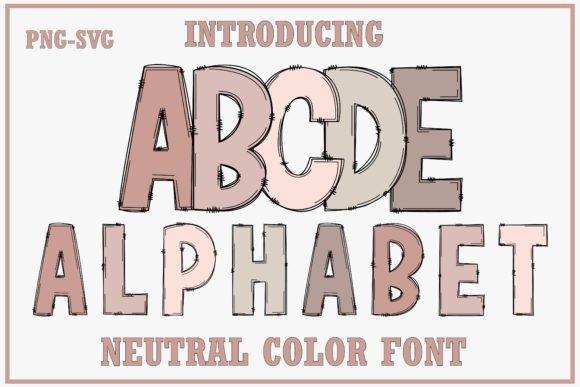
At its core, Neutral Alphabet is a color font. Unlike traditional fonts that are monochrome, a color font embeds color information directly into the font file. This means when you select Neutral Alphabet, you're not just getting a set of glyphs; you're getting letters, numbers, and symbols pre-designed with vibrant, multi-hued fills and patterns. It’s not an effect you apply after the fact—it’s an integral part of the font's DNA. This makes it incredibly efficient for anyone who wants to add visual flair without advanced graphic design skills or time-consuming edits in software like Photoshop.
The design itself strikes a clever balance. The letterforms are clean, modern, and highly readable, ensuring your message is never lost in the decoration. This "neutral" base is what makes it so versatile. It doesn't scream a specific style like "retro" or "grunge," allowing the color to be the star. You can choose from a variety of bright, cheerful hues—from electric blues and sunny yellows to vivid pinks and greens. This combination of a solid typographic foundation and built-in color is what makes it a unique tool for modern communication.
Where Does Neutral Alphabet Shine? Real-World Scenarios
The true value of any tool lies in its application. Neutral Alphabet isn't for every single text on a page, but for the moments where you need to grab attention. Let's explore where it can make the biggest difference.
For the Social Media Manager or Content Creator
Imagine you're an Instagram creator promoting a new blog post about "5 Quick Weeknight Dinners." Your standard text on a photo might get lost in the scroll. Using Neutral Alphabet for the headline "5 Quick Dinners" makes it pop immediately. The vibrant color draws the eye, and the clean font ensures it's instantly readable, even on a small phone screen. This is perfect for call-to-action buttons in Stories ("Swipe Up!"), highlighted quotes from a podcast, or creating a series of visually consistent yet attention-grabbing Instagram carousel covers.
For the Entrepreneur or Small Business Owner
Running a small business means wearing many hats, including that of the designer. You're creating sale signs for your boutique, menu specials for your café, or email headers for your newsletter. Neutral Alphabet allows you to create professional-looking graphics in minutes. A "Weekend Special!" header for an email blast using this font feels modern and energetic, potentially increasing click-through rates. For a local bakery, a chalkboard-style sign with the "Daily Muffin Flavor" written in a bright Neutral Alphabet color can add a friendly, appealing touch that feels custom-made.
For Educators, Bloggers, and Hobbyists
Engagement is key in education and blogging. A teacher creating a classroom newsletter or presentation slides can use Neutral Alphabet to highlight key vocabulary words or section titles, making the material more engaging for students. A blogger can use it for chapter titles in a long-form post or to create standout Pinterest pins that are more likely to be saved and clicked. For hobbyists organizing a community event—like a book club or a running group—using this font on flyers or digital invites adds a layer of fun and professionalism that signals "this is worth your time."
Practical Considerations Before You Dive In
While Neutral Alphabet is a powerful tool, using it effectively requires a bit of strategy. Here’s what to think about to get the most out of it.
- Context is King: This font is designed for emphasis, not for body text. Using it for a 500-word paragraph would be overwhelming and hard to read. It’s perfect for headlines, subheadings, logos, and short, impactful statements. Think of it as the exclamation point in your typographic toolkit.
- Compatibility Check: Color fonts are a modern technology. Before purchasing or downloading, ensure your design software supports them. Most current versions of Adobe Creative Cloud (Photoshop, Illustrator, InDesign), Sketch, and some web platforms support color fonts. However, they may not work in older programs or some basic word processors. Always test the font in your primary workflow.
- File Size and Performance: Because they contain more data, color fonts can have larger file sizes than standard fonts. This is a minor consideration for print or graphics but could be relevant for web use. If you're using it on a website, you'll need to ensure it's properly optimized to not slow down your page load time.
- Licensing for Commercial Use: If you plan to use Neutral Alphabet for client work, on products for sale, or in monetized content, carefully review the font's license. Most quality fonts come with clear licensing terms—some are free for personal use but require a license for commercial projects. This is a critical step to avoid legal issues down the road.
Ultimately, Neutral Alphabet is about efficiency and impact. It solves a very real problem for people who need to communicate visually but lack the time or resources for complex design work. By understanding its strengths—its vibrant color, clean design, and built-in convenience—and applying it thoughtfully to the right projects, you can transform bland text into a memorable part of your visual identity. It’s not about replacing your entire font library, but about adding a specialized, high-impact tool that helps you stand out in a crowded digital world.