Though: The Handwritten Typeface for Personal and Professional Projects
In the vast digital landscape of typography, finding a font that balances casual elegance with practical readability can be a challenge. Many designers and creators seek a typeface that conveys warmth and personality without sacrificing legibility. This is where Though enters the conversation. It is a simple handwritten typeface designed to bridge the gap between a personal touch and professional application. Whether you are crafting a wedding invitation or designing a brand logo, understanding the nuances of this font can significantly elevate your creative output.
The Essence of Though: More Than Just a Font
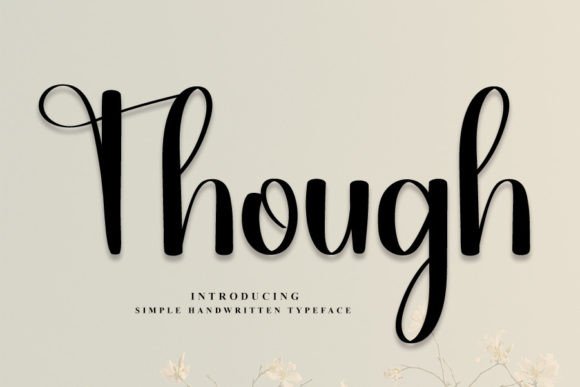
At its core, Though is a digital representation of natural handwriting. It mimics the flow of a pen or brush, offering a script style that feels organic rather than mechanical. Unlike rigid serif or sans-serif fonts, Though carries a human element. It is not merely a collection of letters; it is a tool for storytelling. The font’s design focuses on simplicity, ensuring that it remains accessible to a wide range of users, from professional graphic designers to hobbyists looking to create a birthday card.
The value of Though lies in its versatility. It does not scream for attention with excessive flourishes or illegible loops. Instead, it offers a gentle aesthetic that complements other design elements. This makes it an excellent choice for projects where the text needs to feel approachable and authentic. It is particularly effective in contexts where a standard print font might feel too cold or impersonal, such as personal correspondence or boutique branding.
Key Features and Characteristics
When evaluating a typeface, it is essential to look at its specific characteristics. Though is defined by several distinct features that set it apart in the crowded marketplace of script fonts.
- Legibility: One of the primary strengths of Though is its readability. Many handwritten fonts sacrifice clarity for style, but this typeface maintains a clear distinction between characters. This ensures that messages are conveyed effectively, even in smaller sizes.
- Flow and Rhythm: The letters in Though connect with a natural rhythm. The spacing is carefully calibrated to mimic the way a hand naturally moves across paper, creating a harmonious visual flow.
- Elegant Simplicity: The design avoids unnecessary complexity. It is elegant in its restraint, making it suitable for sophisticated applications like wedding invitations as well as casual uses like social media thumbnails.
- Visual Appeal: The aesthetic is warm and inviting. It adds a layer of personality to any design, making the content feel curated and intentional.
Practical Applications: Where to Use Though
The true test of a font is its application in real-world scenarios. Though is designed to be a workhorse for a variety of creative projects. Its adaptability makes it a favorite for different types of visual communication.
1. Event Stationery
For events that require a personal touch, Though is an ideal candidate. Consider the production of wedding invitation cards. The font’s elegant script style conveys romance and formality without being stuffy. It pairs well with clean sans-serif fonts for the details, creating a balanced hierarchy of information. Similarly, for birthday cards, the font brings a celebratory and friendly vibe, making the recipient feel special.
2. Branding and Marketing
Small businesses and startups often look for branding that feels human and relatable. Though can be used to design logos for boutique shops, bakeries, or lifestyle brands. Its handwritten nature suggests craftsmanship and care. Furthermore, it works beautifully on banners and promotional materials. A banner featuring Though can draw the eye with its distinct style, helping a message stand out in a cluttered environment.
3. Digital Content Creation
In the age of YouTube and social media, visual appeal is paramount. Content creators frequently use Though for video thumbnails. A thumbnail with a handwritten font often suggests a personal vlog, a DIY tutorial, or a storytime video, signaling to the viewer that the content is creator-driven. It is also useful for Instagram graphics and Pinterest pins where a personal aesthetic drives engagement.
4. Flyers and Promotional Material
When creating flyers for local events, community gatherings, or sales, Though helps to break the monotony of standard text. It can be used for headlines or call-to-action phrases to draw attention. The font’s simplicity ensures that even on a busy flyer, the text remains readable and impactful.
Evaluating Suitability: Is Though Right for Your Project?
While Though is highly versatile, it is important to evaluate whether it fits the specific context of your project. Choosing the right font is about matching the tool to the task.
Strengths
The primary strength of Though is its ability to humanize digital content. In a world dominated by sterile, machine-generated text, a handwritten font offers a breath of fresh air. It is excellent for short to medium-length text blocks. It excels in headers, titles, and pull quotes where its style can be fully appreciated.
Considerations and Limitations
However, like all script fonts, Though has limitations. It is generally not recommended for long-form body text. Reading large paragraphs of handwritten text can be strenuous on the eyes, potentially reducing the user experience. For extensive articles or technical documentation, a standard serif or sans-serif font is preferable.
Additionally, context matters. While Though is great for a coffee shop menu or a wedding invite, it might not convey the seriousness required for a corporate financial report or a legal document. Users must consider the tone of their project. If the goal is to appear authoritative and traditional, a handwritten font may undermine that message.
Guidance for Designers and Creators
To get the most out of Though, consider the following practical tips:
- Pairing Fonts: Though works best when paired with a neutral font. For example, use Though for the main headline and a clean sans-serif like Arial or Helvetica for the body text. This creates a contrast that is visually appealing and easy to read.
- Color and Background: Handwritten fonts often look best on clean, uncluttered backgrounds. Ensure there is enough contrast between the text color and the background to maintain legibility.
- Sizing: Avoid using Though at very small sizes. Because of its script nature, fine details can get lost if the font is too small, making it look messy rather than elegant.
- Spacing: Pay attention to letter spacing (tracking). Sometimes, increasing the spacing slightly can improve the readability of handwritten fonts, giving them room to breathe.
Conclusion
Though is more than just a simple handwritten typeface; it is a bridge between the personal and the professional. Its elegant design makes it suitable for a wide array of applications, from wedding invitation cards to logos and thumbnails. By understanding its features and limitations, creators can leverage Though to add a touch of authenticity and warmth to their work. Whether you are a business owner looking to soften your brand image or a designer crafting a personal project, Though offers a reliable and beautiful solution for your typography needs.