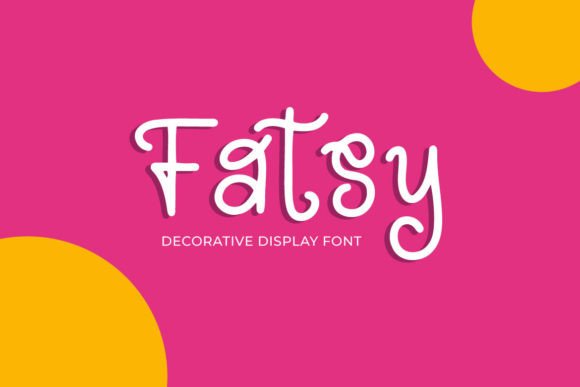
Fatsy: A Strategic Guide to Using This Playful Handwritten Font
In the world of design and branding, typography is a silent ambassador. It communicates tone, personality, and intent before a single word is read. While professional, clean fonts dominate corporate communications, there's a powerful strategic space for fonts that convey warmth, approachability, and human touch. This is where Fatsy, a cute and girly handwritten font, enters the conversation. Its friendly and cheerful vibe is more than just decorative; when used with intention, it can be a calculated tool for connecting with specific audiences and achieving distinct goals.
Understanding the Strategic Value of a Handwritten Font
Before selecting any typeface, including Fatsy, the critical question is: What is the core message, and who is it for? A handwritten font like Fatsy inherently signals informality, creativity, and a personal touch. This makes it strategically unsuitable for legal documents, formal reports, or high-finance branding. However, its value skyrockets in contexts where human connection, approachability, and playful engagement are the objectives. Think of it as a tool in your communication toolkit, selected for specific jobs where a formal serif or a sterile sans-serif would create unwanted distance.
The decision to use Fatsy should stem from a clear understanding of your audience and your positioning. For entrepreneurs and small business owners, particularly in sectors like boutique retail, handmade goods, children's products, wellness, or creative services, Fatsy can be a strategic asset. It helps build a brand personality that feels accessible, kind, and authentic—qualities that modern consumers increasingly seek out. It’s not about being "cute" for its own sake; it's about using a visual cue to signal your brand's human-centric values.
Practical Applications: Where and How to Implement Fatsy
Deploying Fatsy effectively requires more than just applying it to all your text. Its power lies in accent and emphasis. Overuse can dilute its impact and harm readability, particularly in body copy. The goal is to use it strategically to draw attention, highlight key messages, and inject personality without compromising clarity.
Key Use Cases for Maximum Impact
- Brand Identity Elements: Use Fatsy for your brand name in logos, social media profile headers, or watermarking on images. This immediately establishes a friendly and recognizable visual identity.
- Marketing and Social Media: Headlines for Instagram stories, quotes on Pinterest graphics, or call-to-action buttons on a website can benefit from Fatsy's approachable feel. It makes promotions feel less like a hard sell and more like a friendly suggestion.
- Product Packaging and Labels: For artisanal goods, bakery items, or boutique cosmetics, Fatsy on labels or thank-you notes can enhance the unboxing experience, making it feel personal and thoughtfully curated.
- Internal and Educational Materials: Educators and trainers can use Fatsy for section headings in presentations or on worksheets to create a less intimidating and more engaging learning environment. For team communications, it can soften announcements or celebrate milestones in a more casual, celebratory way.
- Customer Touchpoints: Incorporate Fatsy into thank-you emails, feedback requests, or loyalty program communications. This small detail can make automated messages feel more human and appreciative, directly supporting customer experience goals.
A Framework for Intentional Use: Planning Before Styling
Random application of a playful font is a missed opportunity. To use Fatsy intentionally, integrate it into your broader planning and decision-making process.
- Audit Your Goals: Are you trying to increase engagement on social media? Make your brand more memorable to a niche audience? Improve the warmth of customer service communications? Your specific goal will dictate where and how prominently Fatsy should appear.
- Analyze Audience Context: Consider the platform and the user's mindset. A Fatsy headline on a TikTok video is perfectly in context. The same font used for the main navigation menu on a complex SaaS dashboard would create confusion and frustration. Context is king.
- Establish Hierarchy and Pairing: Fatsy should rarely stand alone. Pair it with a clean, highly readable sans-serif font for body text. Use Fatsy for H1, H2, or specific pull quotes, and use your neutral font for paragraphs. This creates a visual hierarchy that is both engaging and functional.
- Test for Readability and Scalability: Always test Fatsy at different sizes and on various devices. A handwritten font can become illegible at very small sizes or on low-resolution screens. Ensure your key messages remain clear regardless of the medium.
Navigating Potential Pitfalls and Risks
Like any strategic tool, misusing Fatsy can undermine your objectives. The primary risk is a mismatch between font and message. Using a playful, informal font to communicate serious news, critical warnings, or highly technical information can confuse your audience and damage credibility. It can make your message seem insensitive or poorly considered.
Another consideration is brand consistency and long-term value. If you build a significant portion of your visual identity around Fatsy, ensure it aligns with your long-term brand vision. Trends in design shift, but a core brand identity should have longevity. Ask yourself: will this font still represent our values in three to five years? For some, the answer is yes; for others, it may be better suited for seasonal campaigns or specific product lines rather than the master brand.
Finally, consider accessibility. Some users with visual impairments or reading difficulties find decorative and handwritten fonts challenging to parse. Responsible use means always providing a clear alternative for critical information. For instance, a website might use Fatsy for a headline but offer a toggle for a high-contrast, sans-serif view, or ensure all essential information is also available in a screen-reader-friendly format.
Making the Decision: Is Fatsy Right for Your Project?
Ultimately, the choice to use Fatsy is a decision about brand voice and audience alignment. It is an excellent choice if your strategic planning identifies a need to:
- Soften the tone of a typically formal industry.
- Connect authentically with a demographic that values warmth and creativity.
- Differentiate a product or service in a crowded market with a distinct, personal touch.
- Enhance the emotional impact of celebratory or appreciative communications.
Conversely, it may be the wrong tool if your primary goals require projecting authority, neutrality, or ultra-modern minimalism. The most successful professionals and creators use typography not as decoration, but as a deliberate component of their communication strategy. By viewing Fatsy through this lens—as a means to an end rather than an end in itself—you can harness its cheerful energy to build more engaging, memorable, and effective connections with the people you aim to reach.